NEONATAL PKU screening
Quantitative fluorometric determination of phenylalanine
from neonatal dried blood spots.
The NEONATAL PKU Screening Fluo is an enzymatic fluorescence assay for the quantitative determination of phenylalanine in dried blood spots from newborns, for phenylketonuria (PKU) screening.
Designed for professional use in screening laboratories. For in vitro diagnostic use only - not intended for self or confirmatory testing.
Regulatory Status: CE-IVDR
Format: 288/576 tests
Method: enzymatic fluorescence
Sample: DBS (903®/226 paper) - 3.2 mm punch
Storage: 2-8°C
Automation: Manual or automated
Turn around time: < 1.5h
General information
Advantages


Compatible instrument & related kits
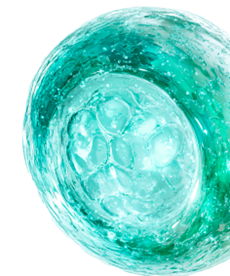
Phenylalanine dehydrogenase drives the NAD-dependent oxidative deamination of phenylalanine. The NADH produced reduces resazurin to fluorescent resorufin via diaphorase; fluorescence at 590 nm is directly proportional to the phenylalanine concentration in the sample.
Test principle
Phenylketonuria is an autosomal-recessive disorder of amino-acid metabolism caused by phenylalanine hydroxylase (PAH) deficiency, leading to phenylalanine accumulation. Left untreated it causes irreversible neurological impairment; identified early, it is managed effectively through dietary control - which is why PKU is one of the founding conditions of newborn screening. Elevated screening results are not diagnostic on their own and require confirmatory testing.
Disease
You have a question regarding our products ? You want to know more about our method ?
Find out about our other expertises